Why Is My Oil Bubbling
Why Is My Oil Bubbling. When these liquids are mixed in, they break down some of the proteins on the surface of the oil and create bubbles. If you have bubbles above the level line on your oil and your oil dipstick, this can be due to contamination of a coolant or an antifreeze.
If you're aware of your "Why" and work towards it with a fervent determination, you'll understand every thing you encounter on your way because you are looking at it through the eyes of "Why". Once you've discovered that "Why", you will be able to identify that "Way". What's the difference between those two? "Why" is your purpose. "Way" is your path. When you find you're "Why", your path automatically finds a purpose. And life becomes much more memorable and complete since you are able to see the reasons behind why you're on this journey in the first place.
Does your "Why" always comes first? Is it possible to locate your way and then identify what is your "Why"? You may be wondering. Which comes first? The good news is that either of these can happen first. If however, your "Why" comes before the process, the ability to make use of the power of significance will occur more quickly and quickly become more effective.
Take it as follows. Have you ever wondered why some people generally enjoy packing for vacation? It takes weeks of anticipation and look forward to those warm days on the beach, or trips down the slopes at their favorite ski resort. So they pick out each item that goes into the luggage with attention to detail.
If you are getting ready for a memorable trip, nearly all of your attention is focused on the reason for the trip. It's the reason it's better fun to pack your bags for your trip than to get it all out afterward. This concept can be applied to our daily lives. Whatever your path, you will perform tasks much better because you comprehend the purpose behind your existence.
My worst fear is a mechanical issue like the pick up tube sucking air. Some will pop during the drying process while others will stay put. Bubbling indicates rising air pressure in the cooling system, which is a sign that the flow of liquid is blocked by a pocket of air.
Why Is My Frying Oil Popping?
Why is my frying oil bubbling? Foaming is common in frying. Foaming is common in frying.
Pops Occur When Moisture Expands Rapidly To Steam In The Hot Fat, So Even A Tiny Bit Of Water In The Cooking Fat Can Be Problematic.
Potato) that is rapidly vaporized when come into contact with the very hot oil. The water pump helps in circulating coolant through the radiator tubes where it cools. This causes the characteristic bubbling of the oil, and when the associated moisture, starch, and impurities are left behind, they may create a foam on the surface.
The Most Common Place For Air To Enter Your Power Steering System Is In Between The Fluid Reservoir And The Pump.
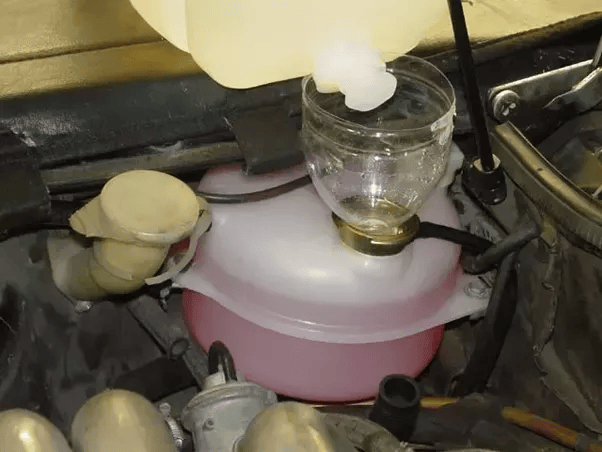
Here are the most common reasons why coolant would be bubbling up in your car: When food is dropped into the hot oil, the moisture in the food rises to the surface to evaporate. This escaped air causes bubbling in the coolant/antifreeze reservoir.
Warm Your Frying Pan And Oil/Grease Up Gradually, So Any Moisture Trapped In The Fat Has Time To Steam Away Gently As Opposed To Popping.
If there is coolant detected in your motor oil, you might need to have it repaired immediately. A failing or lousy power steering pump will grind shavings and worn bearings, thereby generating too much heat. Air in the fluid will make your pump noisy and your steering to feel soggy.
The Cool Coolant Then Spreads Into The Engine Components Through The Engine’s Pipes Or Passage.
When these liquids are mixed in, they break down some of the proteins on the surface of the oil and create bubbles. One of the most common causes is a blown head gasket, in which the air pressure inside the cylinder heads is transferred to the cooling system. If your paint is not already dried and you just notice bubbles, then be ready to brush the bubble.
Post a Comment for "Why Is My Oil Bubbling"